Anterior Hip Replacement
How Dr. Patel thinks about anterior hip replacement, selection, potential early advantages, and important limitations.

The short answer
Anterior hip replacement reaches the hip from the front. It can be a useful option for selected patients and may support early function, but candidacy, technical execution, and long-term goals matter more than the name of the approach.
An approach, not a promise
The anterior approach is one of several ways to perform a hip replacement. Dr. Patel is comfortable with anterior, posterior, and lateral approaches and selects among them based on your anatomy, your imaging, and what the operation requires.
Some patients want the earlier walking comfort that anterior recovery is often associated with; that is an association, not a guarantee. The discussion still needs to include anatomy, prior surgery, build, deformity, surgeon experience, and approach-specific risks.
The approach question also comes after a bigger one: whether surgery is right at all. Activity changes, therapy, medication, and selected injections stay on the table, and the hip arthritis page explains them in full.
Questions worth asking
Ask why an approach fits your case, what might cause the plan to change, and which parts of the early plan are driven by the approach versus anesthesia, pain control, therapy, and home support.
The name of the approach is not the plan: a complete conversation about the replacement still comes first.
How the muscle-sparing path actually works
The muscles around the hip are arranged in layers with natural seams between them. The anterior approach reaches the joint through one of those seams at the front, so the surgeon can move muscle aside rather than cut across it. That is what people mean when they call it muscle-sparing.
This is different from approaches that enter from the back or side, where some muscle or tendon may be released and then repaired during closing. Sparing muscle can support a smoother early recovery for selected patients, but it is one factor among many, and a well-positioned, stable implant matters far more than the direction of the incision.
When the front approach may not be the right fit
The anterior path gives the clearest working view in some bodies and a harder one in others. More soft tissue at the front of the hip and abdomen, a very muscular build, certain bone shapes, or hardware from a previous surgery can all make the front approach less practical or less safe for a particular person. In those situations a surgeon may recommend a different, well-established approach.
A small nerve that supplies feeling to the outer thigh runs near the front of the hip, and it can be stretched or irritated during an anterior approach, sometimes leaving a patch of numbness or tingling. It is usually temporary, and it does not typically affect strength or walking. None of these points rule anyone in or out on their own; they are part of a judgment the surgeon makes with you after seeing your imaging.
Two paths to the same joint.
Two of the ways surgeons reach the hip; the route differs, the joint is the same. The choice follows your anatomy and the plan.
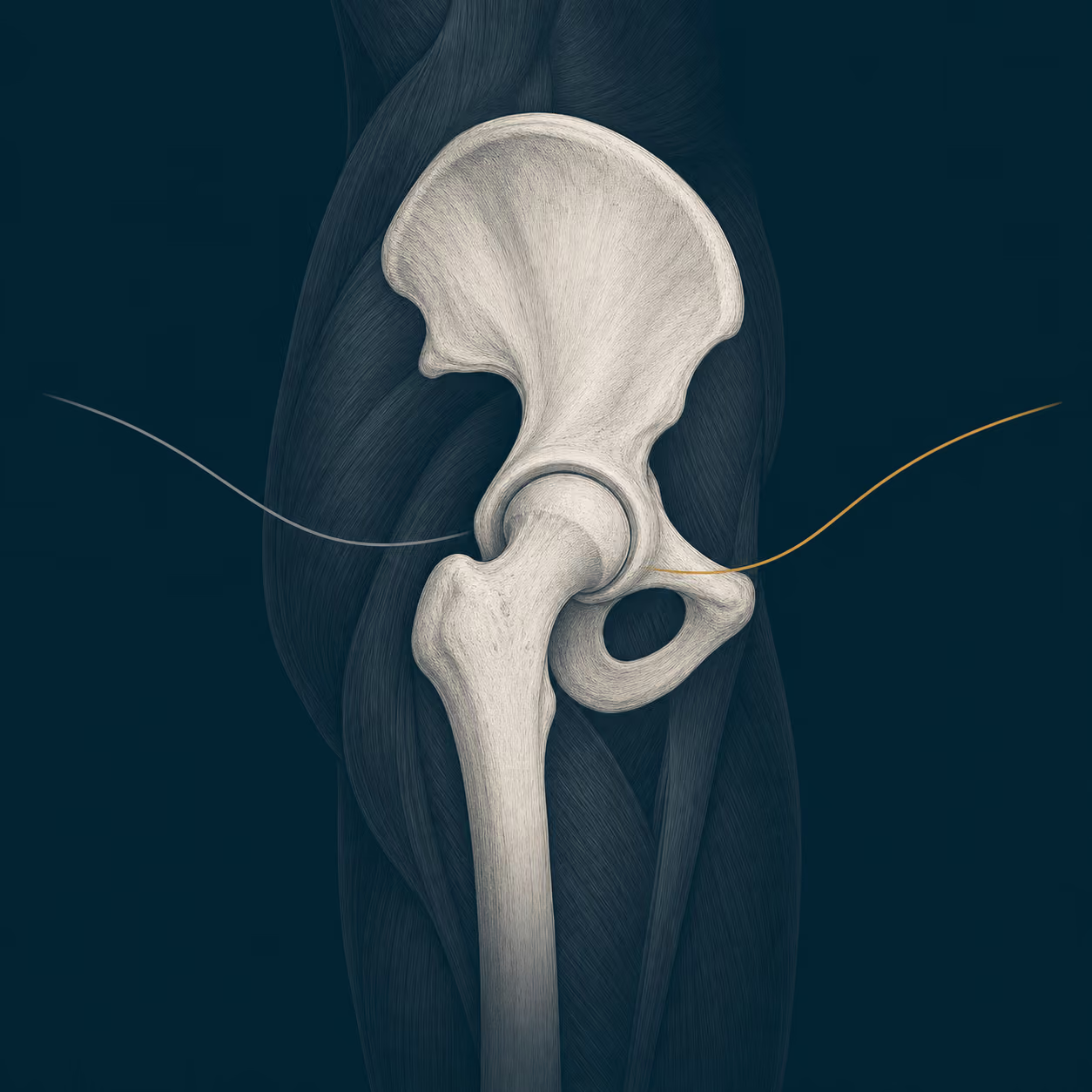
- Anterior arrives from the front, along a natural seam between muscles
- Posterior arrives from the back, through muscle that is repaired at closure
How the anterior approach works, in pictures
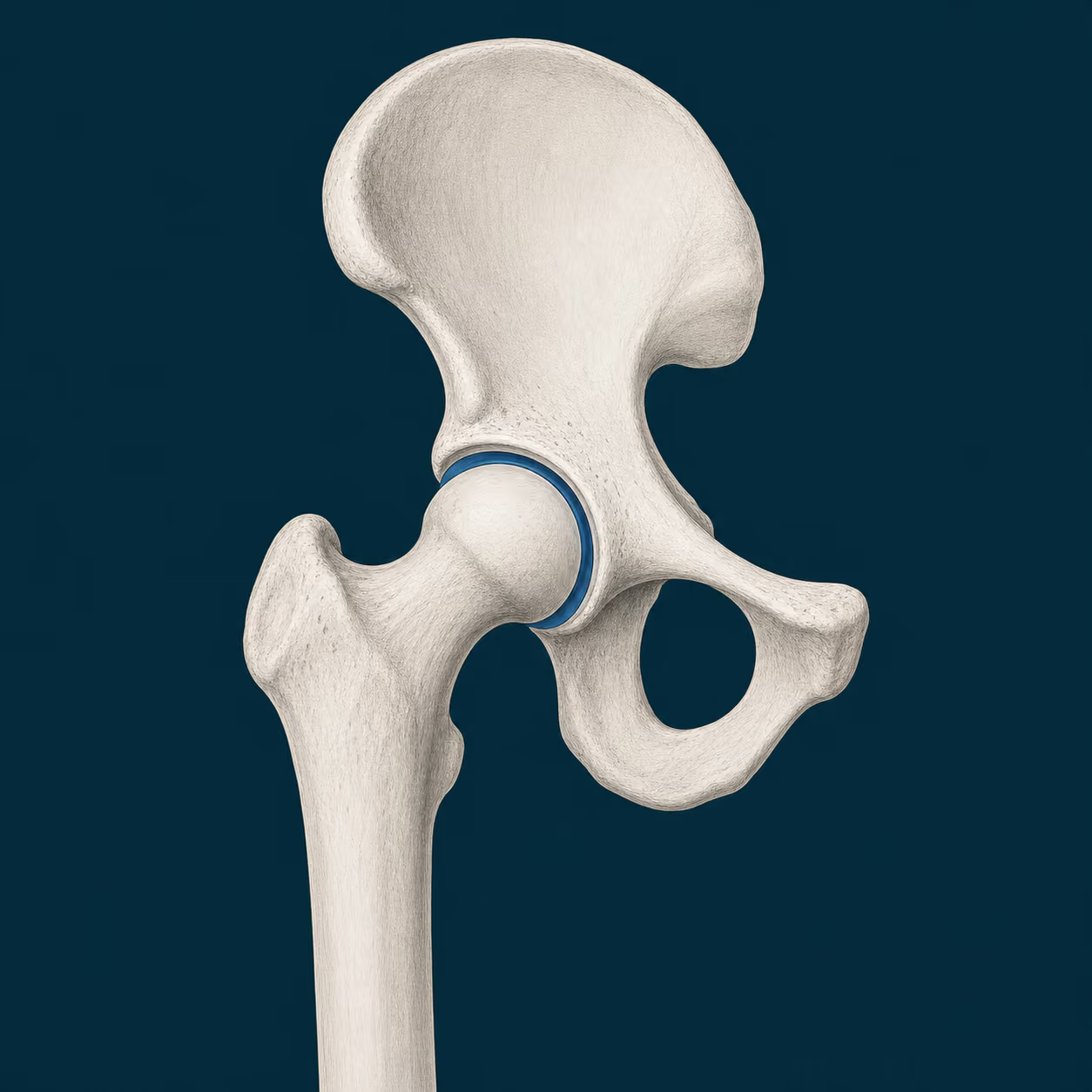
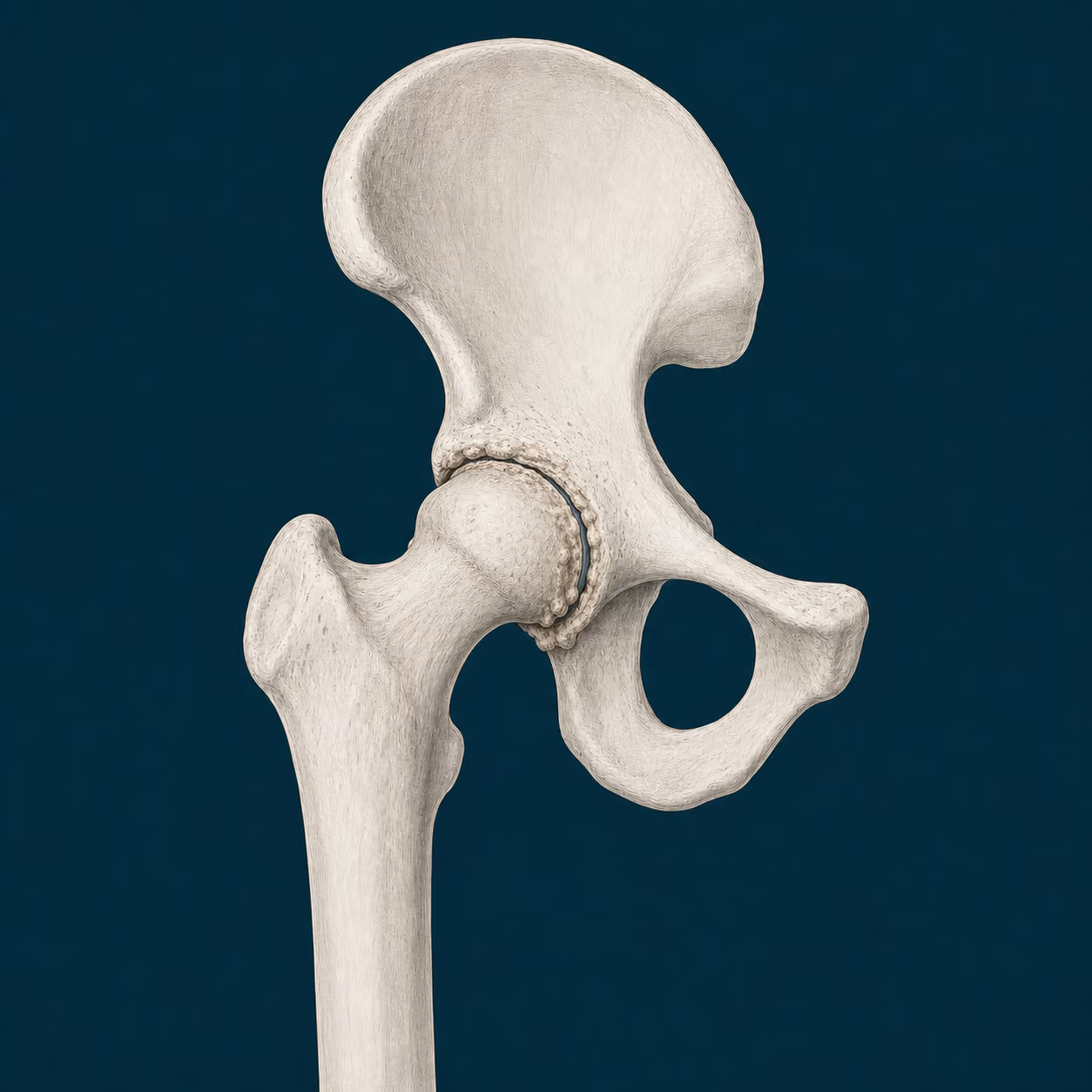
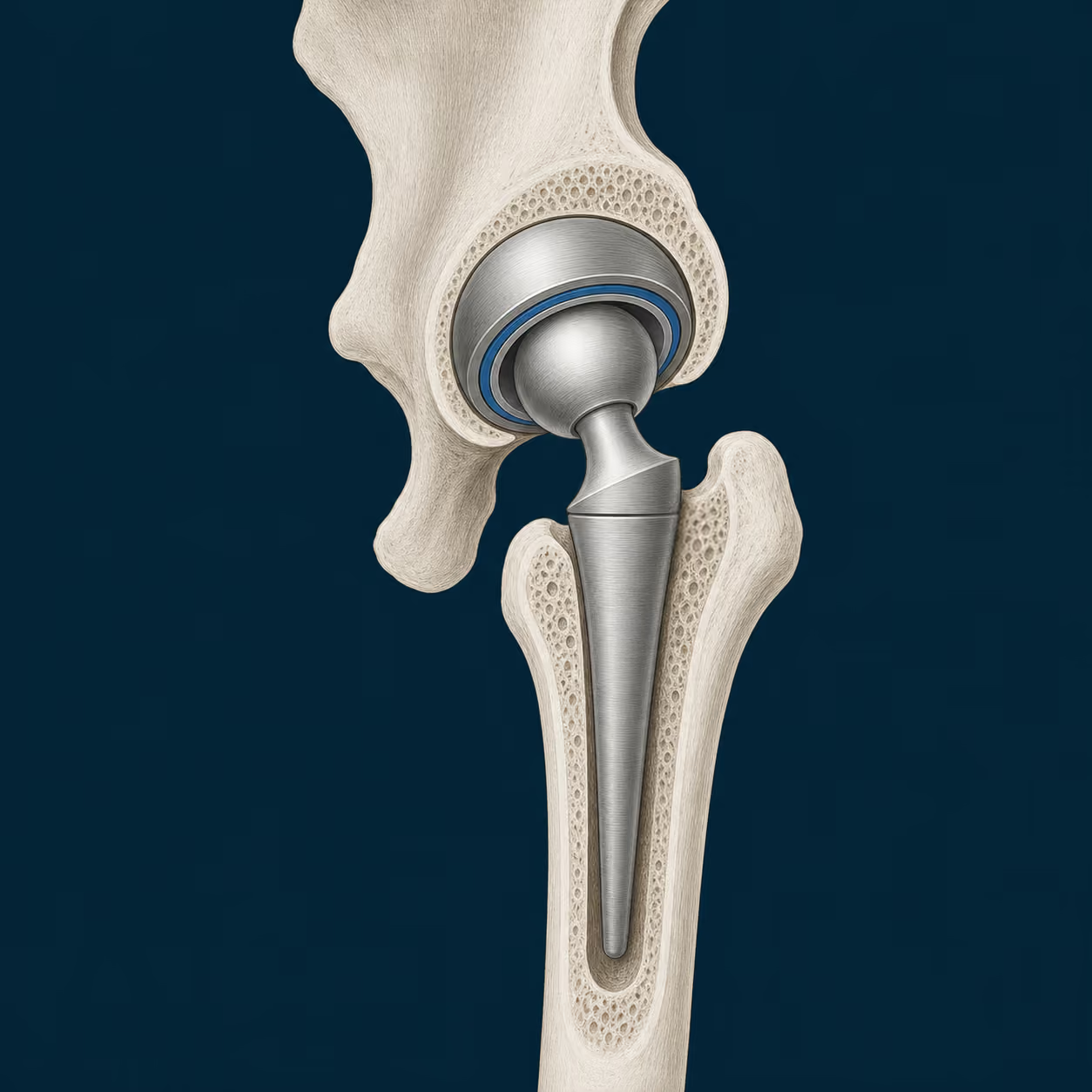
Open the animated walkthrough
General patient-education animation. It explains the topic in broad terms and is not medical advice or a description of your specific plan; bring your questions to a consultation.
Use the consultation to make the decision clearer.
- Why do you recommend this approach for me?
- What could change the surgical plan?
- What limitations remain after the early phase?
- How does the approach affect the incision?
- Looking at my imaging and build, does the anterior approach give you the safest view, or would you choose differently?
- How often do your anterior patients notice thigh numbness, and does it usually go away?
- What specifically about my anatomy makes you lean toward or away from the front approach?
Sources and further reading
- Total Hip ReplacementAmerican Academy of Orthopaedic Surgeons
- Total Hip ReplacementAmerican Association of Hip and Knee Surgeons